What Should I Know Before Speech Therapy? – 10 Commonly Asked Questions
Speech and language therapy is often associated with helping children pronounce words correctly, but speech-language pathologists (SLPs) also help older adults recover and maintain important communication and swallowing skills.
Often part of a comprehensive rehabilitation plan, speech therapy can improve your quality of life, safety, confidence, and independence. Below is a list of questions that patients and families often have about speech therapy. We hope this article leaves you feeling informed and encouraged about the many ways speech therapy can help you thrive.
1. What does speech therapy help with for older adults?
Speech therapy can help you with much more than speaking clearly. Speech therapists can assist you with:
- Speech and language difficulties
- Memory and cognitive challenges
- Problem-solving and attention skills
- Voice disorders
- Reading and writing
- Swallowing difficulties (dysphagia)
Speech therapy is commonly recommended after a stroke, brain injury, surgery, illness, or hospitalization. It can also benefit you if you are living with Parkinson’s disease, dementia, or other neurological conditions.
2. What is a speech-language pathologist?
A speech-language pathologist (SLP) is a licensed healthcare professional trained to evaluate and treat communication and swallowing disorders.
Your SLP works with you to improve functional skills that support everyday life, such as communicating with loved ones, remembering information, following directions, and eating safely. “Speech therapist” is a more casual way of referring to an SLP.
3. Is speech therapy only for people who have trouble talking?
No. In fact, many people are surprised to learn that speech therapy also addresses cognition and swallowing. For example, you may work with a speech therapist to improve memory after hospitalization, strengthen problem-solving skills, safely swallow food and drinks, reduce coughing or choking during meals, and improve attention and concentration. These skills can be important for helping you maintain independence and safety at home.
4. What conditions commonly require speech therapy?
Speech therapy may help you recover from or manage conditions such as:
- Stroke
- Parkinson’s disease
- Dementia
- Traumatic brain injury
- Respiratory illness affecting voice
- Head and neck cancer
- General weakness after hospitalization
Many patients receive speech therapy during short-term rehabilitation following surgery, illness, or injury.
5. What happens during a speech therapy evaluation?
During an evaluation, your speech therapist will assess your communication, cognitive, or swallowing abilities. Depending on your needs, the therapist may evaluate your speech clarity, language comprehension, memory and attention, problem-solving skills, voice quality, and swallowing safety.
Your therapist will then create an individualized treatment plan with goals tailored to your daily life and recovery needs.
6. What does speech therapy look like day to day?
Speech therapy sessions vary depending on your goals. Sessions can include things like:
- Memory exercises
- Word-finding activities
- Communication practice
- Swallowing exercises
- Safe eating strategies
- Cognitive tasks related to everyday activities
Therapy is often interactive and personalized to help you regain practical skills you use every day.
7. Can speech therapy help with swallowing problems?
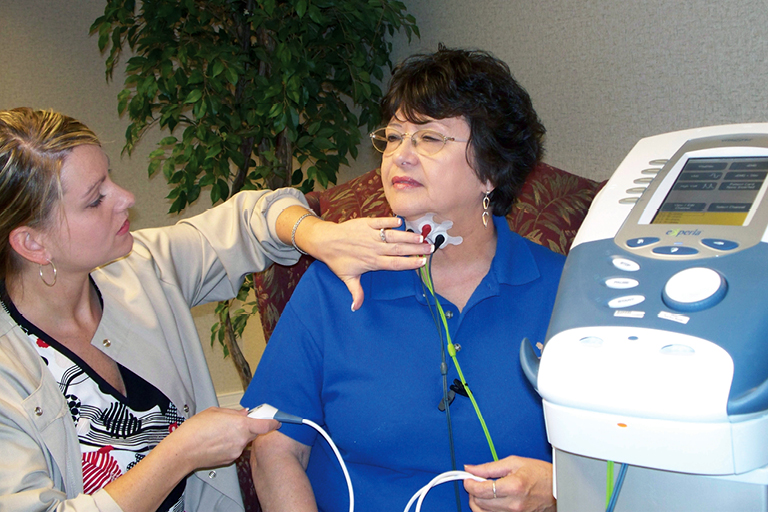
Yes. Swallowing difficulty, also called dysphagia, is one of the most common reasons older adults receive speech therapy. A speech therapist can help you strengthen your swallowing muscles and learn safer swallowing techniques, ultimately improving your safety while eating and drinking and reducing the risk of choking. Addressing swallowing concerns can also help reduce complications and improve your nutrition and hydration.
8. How long will someone need speech therapy?
Every recovery timeline is different. You may benefit from short-term therapy after surgery or illness, while others with chronic neurological conditions may participate longer-term. Your progress depends on factors such as overall health, severity of symptoms, consistency with therapy, and individual goals. Speech therapists regularly reassess progress and adjust treatment plans as needed.
9. Can family members be involved in speech therapy?
Yes! Family involvement can play an important role in your recovery. Speech therapists often educate caregivers on communication strategies, swallowing techniques, and ways to continue exercises outside therapy sessions. Including loved ones in the process can help you feel more confident and supported.
10. What are the benefits of speech therapy for seniors?
Speech therapy can help you improve:
- Communication
- Confidence
- Safety during meals
- Memory and cognition
- Independence
- Overall quality of life
These improvements can make daily activities easier and help you reconnect with your family, friends, and routines.